Burnout. It seems like a final sort of word. A car engine burns out and is discarded or left to rust. A candle wick sputters, smolders and goes out. A fire burns through a forest and there are blackened stumps and an acrid layer of death and smoke that lingers.
I have been delaying writing about this both because it’s personal and also easy to misunderstand, and I’m not sure I understand it yet. So, I will write what I know.
Burnout starts with brain fog and feeling “off”. You’re still doing the things, but the feeling isn’t there. Often, a burned out person is diagnosed with depression and given some pills and maybe a week or so of rest. But burnout is deeper than that…. it needs time, it’s in the bones. A week or so is like a door opening to a place you never have a chance to step into.
Looking back through my life, I recognize cycles of burnout. The first big one was in college; I knew I needed a break. I came home for Christmas and realized I couldn’t return to campus, which was horrible. I had an entire dorm of girls relying on me, a semester of courses to finish. It was incredibly difficult for this people-pleasing perfectionist to take that risk, but I knew the risk of continuing in a burned-out state was worse. Unfortunately, I didn’t know how to rest and had no idea how to communicate that this situation was serious, so ended up substitute teaching full-time for three months instead.
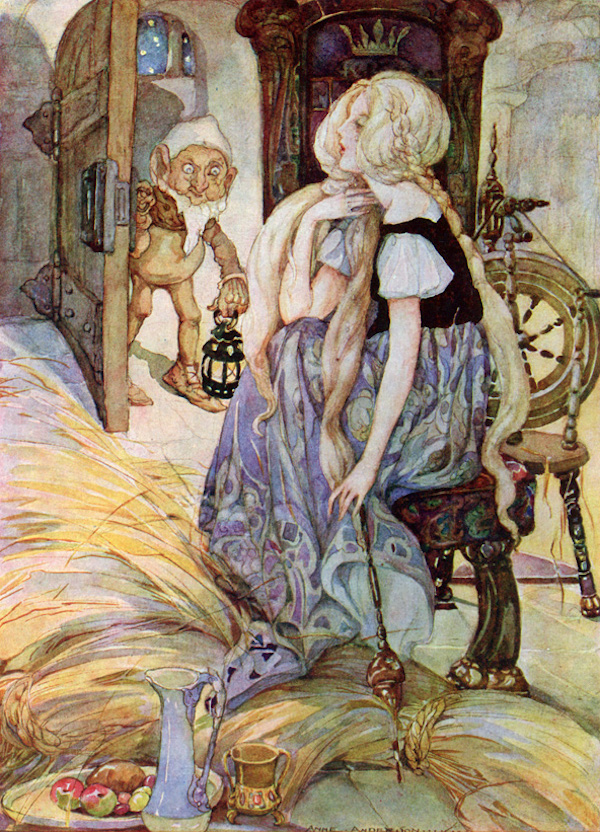
Like the princess in Rumpelstiltskin, who must spin straw into gold or she will lose everything precious to her, we feel forced to make the impossible happen at all cost.
What I’ve learned through pushing past burnout is this ultimate denial of oneself causes a separation – a shutting door from the you who is calling out for help, change, and rest, and the you who is carrying on anyway. Depersonalization, some call it. Like you’re dreaming, or a robot. Not feeling and dealing with emotions doesn’t dispel them, unfortunately, they pile up and wait for you to come back.
I wish I could go back in time to who I was then, and explain gently what I know now — it will never be enough, and will take everything you have. I’m biting off bigger chunks of this lesson these days.
If your identity is held up by how much you do, it will never be enough to satisfy. In a conversation I heard a couple of years ago on the Worship Probs Podcast, Ian Simkins said something that has stayed with me, “You are an image-bearer with work to do, not a work doer with an image to maintain”.

You are an image-bearer with work to do,
not a work doer with an image to maintain
Bam, right between the eyes. I know what it means to be a work doer, maintaining an image. The thought process: “If I can just keep this image up, keep it together, the rest will follow”. Also, I have always valued reliability and keeping an even keel when life or emotions are storming over you. Storms pass and it is important to keep your heading, to stay the course, and then there are less pieces to pick up afterward. So I know part of it was just ‘keeping on keeping on’ and trusting that all would land in the right place over time.
There is some wisdom there.
However, C.S. Lewis dropped some contradictory gems when he wrote:
“If you are on the wrong road, progress means doing an about-turn and walking back to the right road, and in that case the man who turns back soonest is the most progressive man. There is nothing progressive about being pig-headed and refusing to admit a mistake.”
Carrying on in burnout when all of these signs and symptoms are screaming at you is not the right road. I ended up a lot further off the path then I would have been if I had listened, thought, accepted, and humbly changed course.
I have learned that if you don’t listen to your body and mind, it will stop anyway. It will find a way. The Body Keeps the Score by Bessel van der Kolk is a #1 New York Times Bestseller, and I’m happy about that because it means more and more people are discovering that limits exist and working until one is debilitated is not a fruit of the Spirit, but a problem – a weakness of a different kind.
The Mayo Clinic lists signs of burnout: Feel drained, unable to sleep, sad, angry, not caring, headaches. Susceptible to illness. Onset of type 2 diabetes. Check check, check. These signs had been beeping and flashing red for a long time, but I thought if I just ignored them and kept going, I would come out of it. I mean, that had worked before, sort-of.
Burnout symptoms are frustrating when you badly want to keep going. In my mind, I could do all the things. I was teaching high school, leading small group for my church, coordinating the worship ministry, hosting meetings, trying to be a good mom to teenagers, a good friend, a good daughter, sister, wife, witness. All of these felt like essential and valuable uses of time, and each of them deserved more attention. I was exhausted from caring so much, from seeing the need and having nothing left in the pantry. Worrying didn’t help; my chronic sleep problems were getting out of control. Some days I had only been asleep for a couple of hours and was up and on the road for another long day. Now, this can be done for awhile. But years…? And all the time knowing it wasn’t enough. I should be doing more! And doing it better! There was so much potential, everywhere, for wonderful things. If I could just make myself do it.
Now, I have slower days. Still, the only days I feel “right” are the ones I check the most boxes off the To-Do List.
The thing with burnout is it’s tough to qualify, exactly. There isn’t a prescription that will fix it other than what I’m attempting right now. One reason I write is to show up in the world during this time when I’m trying to heal, rather than hiding away until all is right as rain again. I’d rather be authentic and weathered, present but bare of the niceties that used to be easier to come up with.
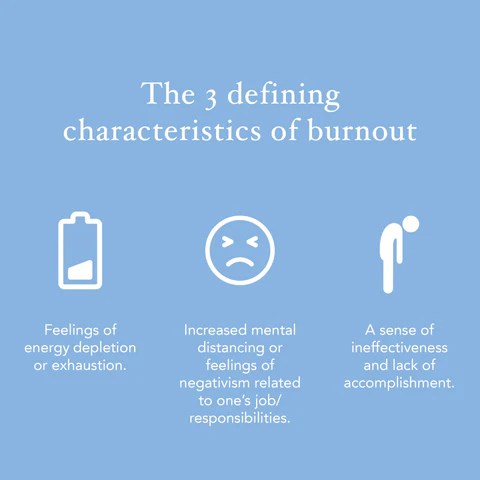
On most burnout forums, the main cause is “continued exposure to stressful situations”. Yep. It’s amazing how much we can accomplish when we are motivated and encouraged. It’s also incredible how hard it gets when those are absent, or when a situation has no solution. Without autonomy, we feel trapped. Sometimes, the only way through is out.
I’m so glad there was a bench in Pilgrim’s Progress, where Christian was able to rest.

“I looked, then, after Christian, to see him go up the hill, where I perceived he fell from running to going, and from going to clambering upon his hands and his knees, because of the steepness of the place. Now, about the midway to the top of the hill was a Pleasant Arbor, made by the Lord of the hill for the refreshing of weary travelers.”
If you read this far, thanks for caring about my journey away from a state of burnout. Or maybe you are on your own journey of recognizing and wanting to deal with it, or perhaps you have already walked this road.
The road from burnout, I’m learning, isn’t paved or wide or milling with people, which is fine. A quiet place to rest is what I’m grateful for.


 Stories for Humans